Konsume
Interval Day Week Month
Author Profile Past 90 Days 178 stories 1 Publishers

space daily editorial team

No author bio on file yet.

Social profiles not yet on file.
space daily editorial team's Coverage
Buzz
Media Coverage
World View

Beat Reporting
Category Articles Share
Environment 66
Technology_Internet 41
Other_ 15
Health_Medical_Pharma 12
Disaster_Accident 9
Hospitality_Recreation 9
Business_Finance 8
Politics 4
Religion_Belief 4
Labor 3

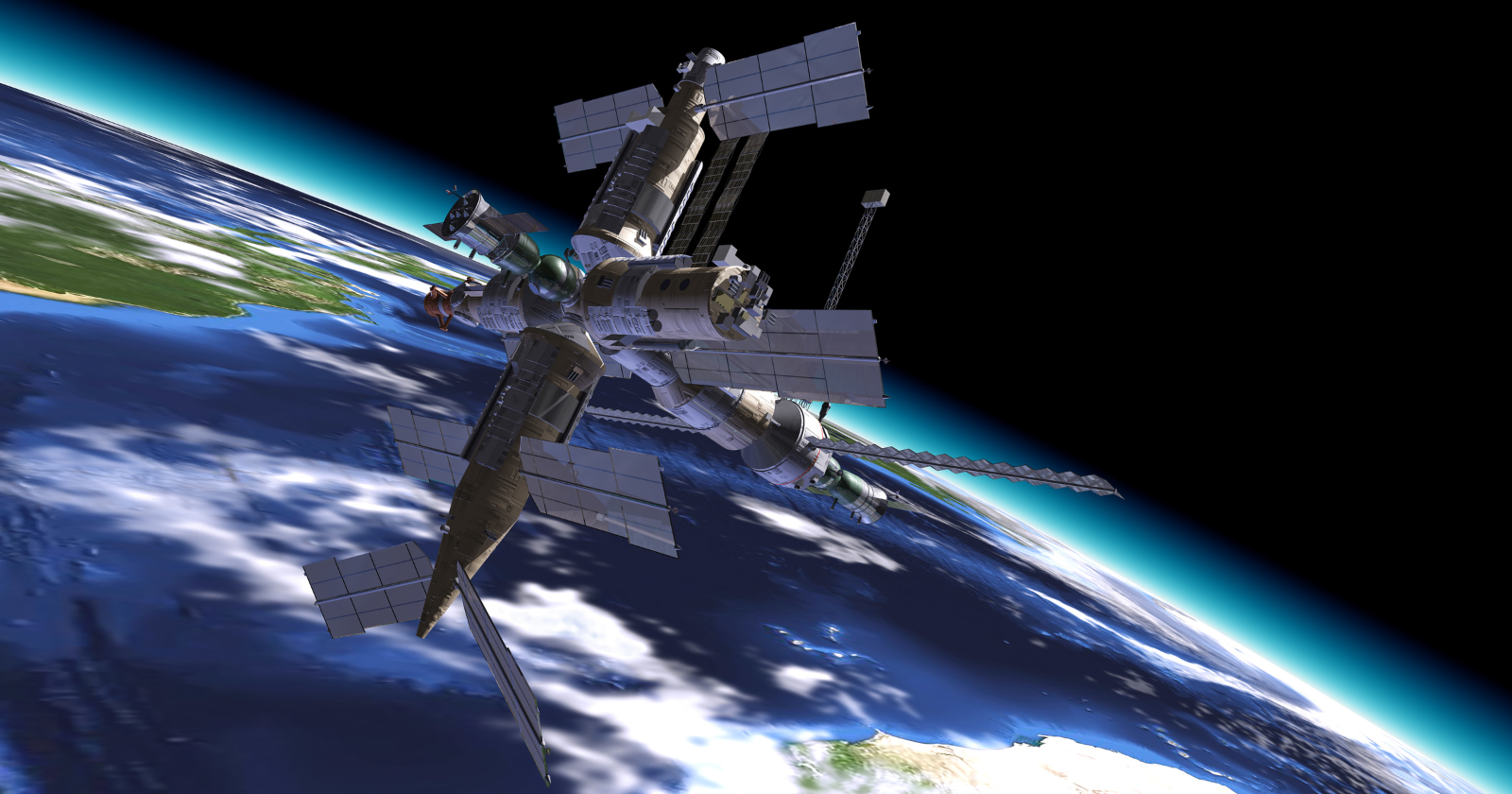
In 2001, Taco Bell anchored a 40-foot floating target off Australia and promised every American a free taco if the falling Mir space station hit it — and the company took out an insurance policy against a direct strike before the 130-ton station came down

2026-09-23 — spacedaily.com


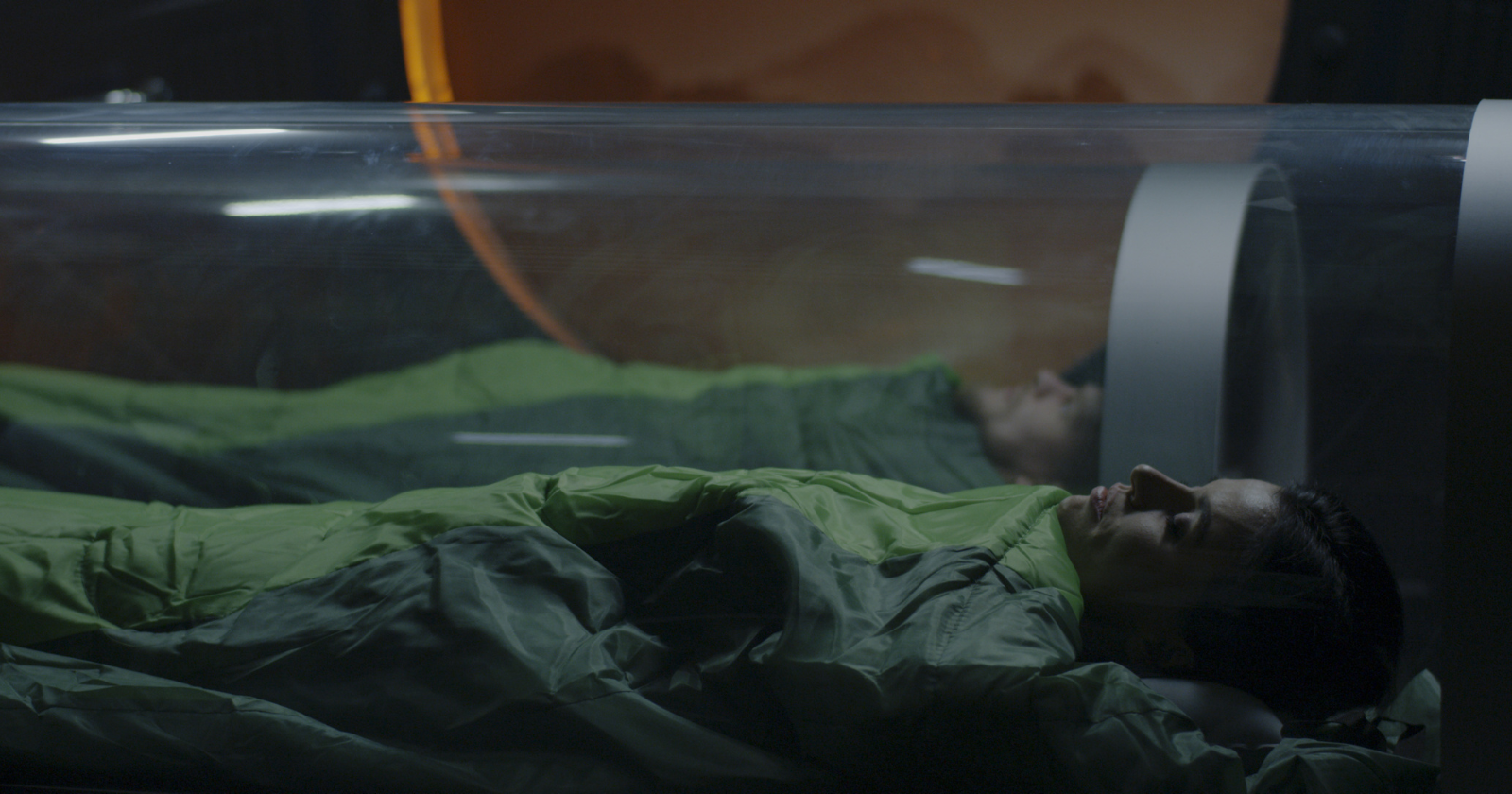
NASA schedules eight and a half hours for astronauts to sleep each night, but on 1,294 of 2,951 nights studied aboard the space station they got less than six — and three quarters of the astronauts surveyed reported turning to sleep medication in orbit

2026-09-22 — spacedaily.com


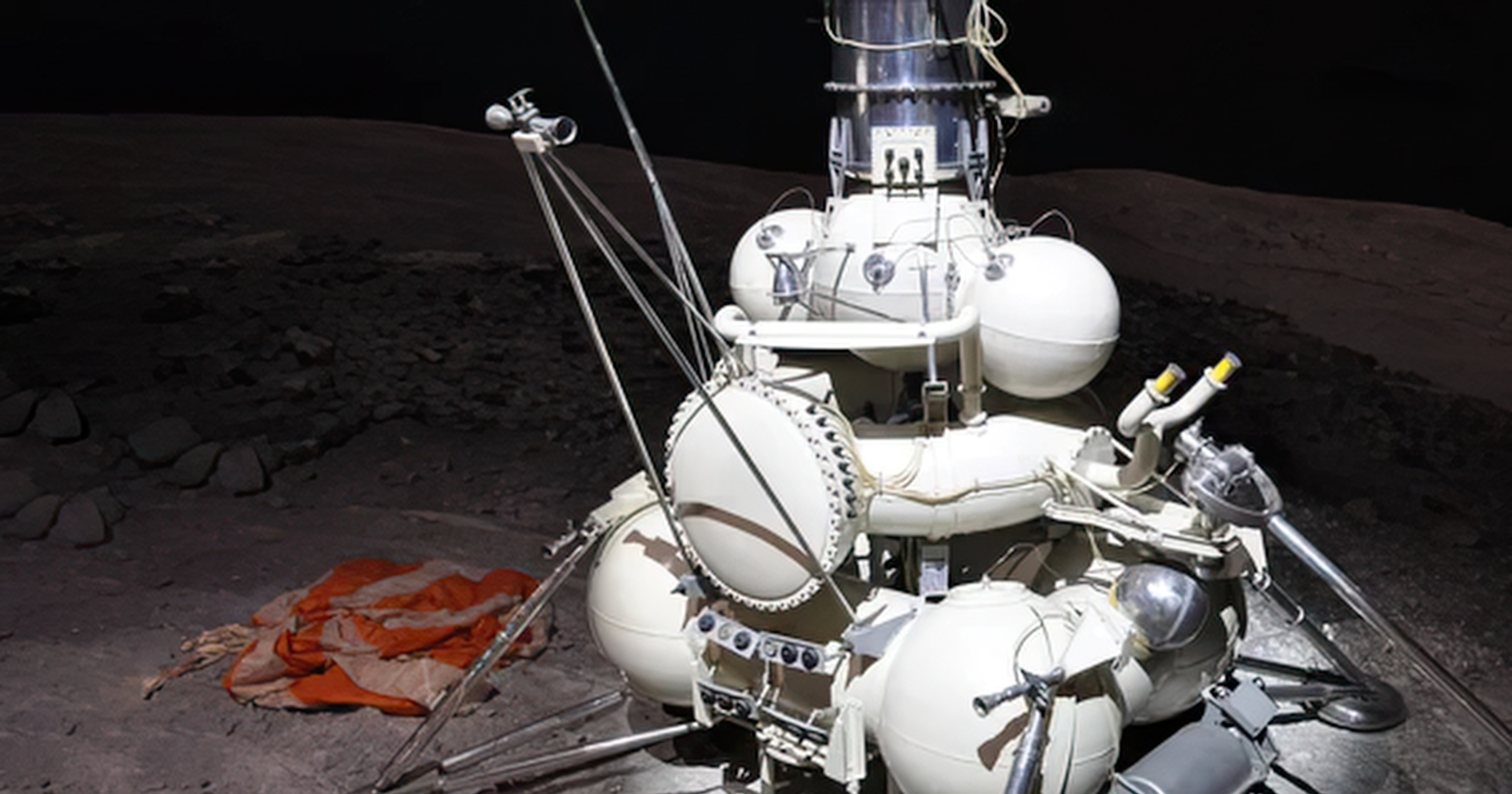
In 1967, NASA's Surveyor 3 probe landed on the moon and fell silent, and two and a half years later Apollo 12 touched down just 600 feet away so two astronauts could walk over, photograph it and cut off its camera to carry back to Earth

2026-09-22 — spacedaily.com


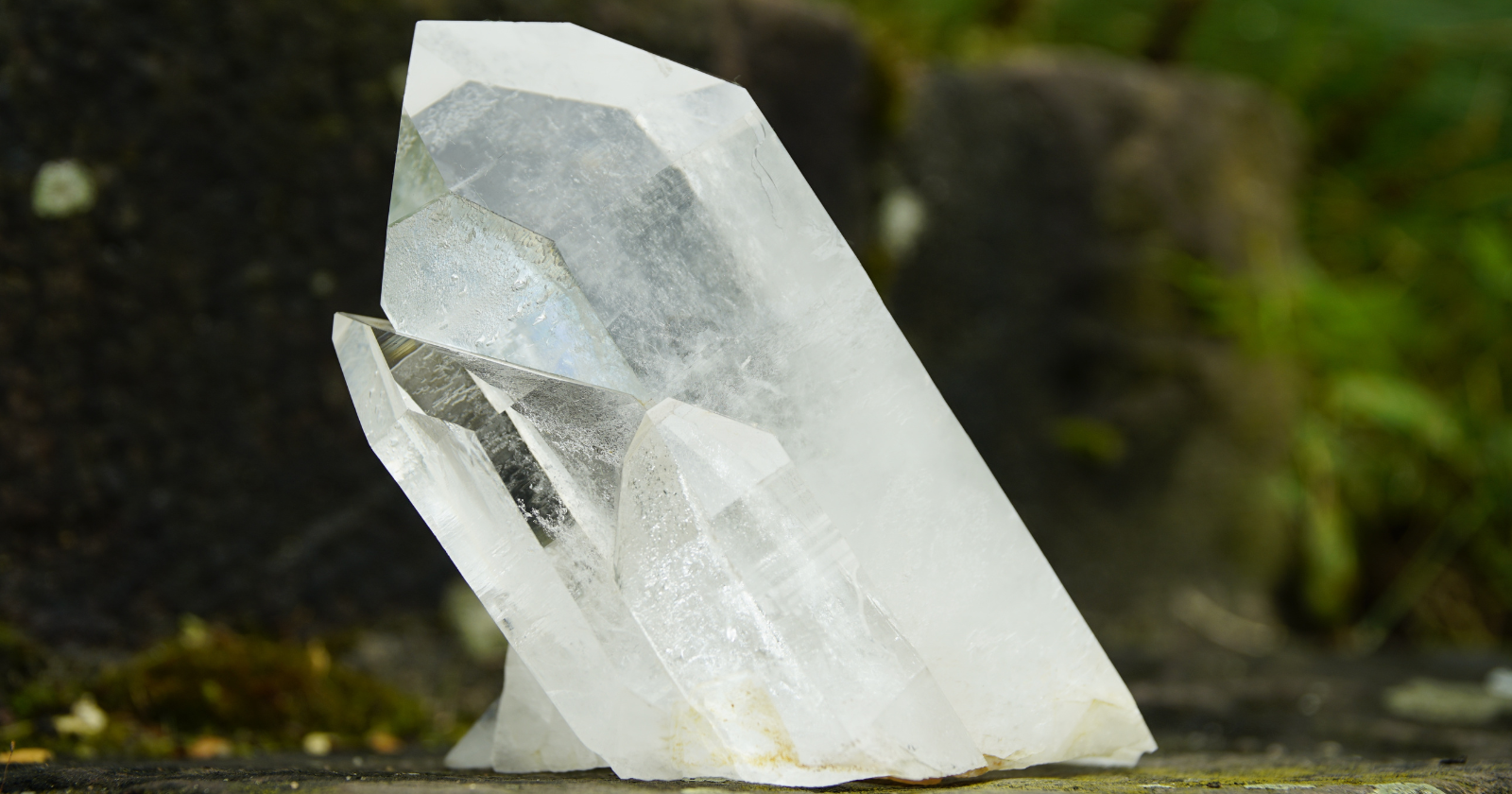
Nearly every silicon chip on Earth begins its life in a crucible of ultra-pure quartz, and almost all of that quartz comes from mines outside Spruce Pine, a North Carolina town of about 2,200 people, because almost no other deposit yet found is clean enough to melt semiconductor-grade silicon

2026-09-21 — spacedaily.com


The Wi-Fi in your house traces back to an Australian astronomer searching for signals from exploding black holes — he never found them, but the signal-processing method he developed later helped a team at Australia’s national science agency untangle radio waves bouncing around rooms, became part of modern Wi-Fi and eventually brought in about A$430 million in licensing revenue

2026-09-21 — spacedaily.com


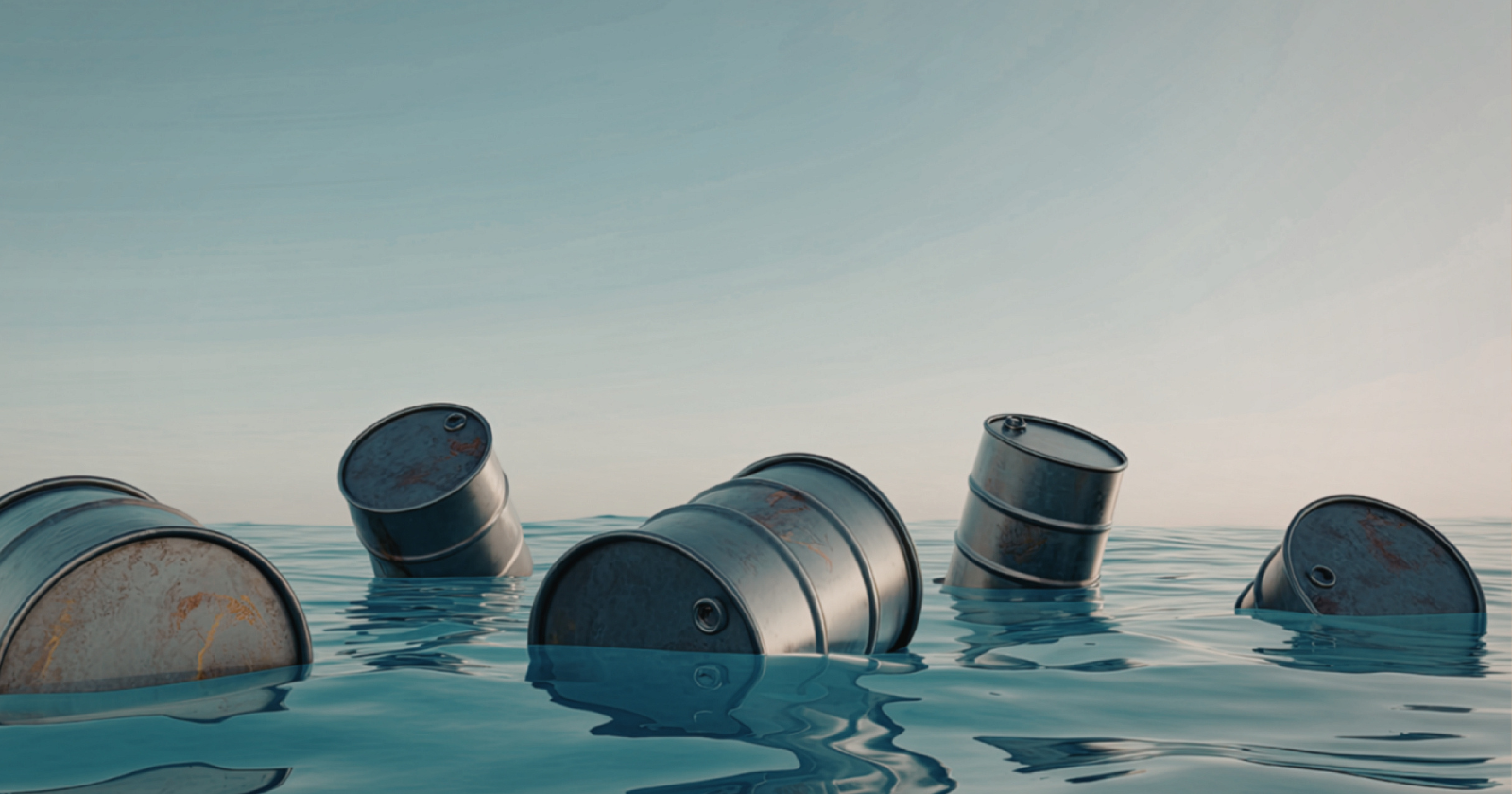
Between 1946 and 1970, the United States dumped roughly 47,800 containers of radioactive waste into the ocean west of San Francisco — many missed the designated sites, and the drums now lie scattered across about 1,400 square kilometers of seafloor, much of it inside a national marine sanctuary

2026-09-20 — spacedaily.com


The camera in your phone exists because a NASA engineer wanted to shrink spacecraft imaging onto a single chip, while much of his field doubted it could ever match the sensors already flying. Those chips now ship in the billions every year.

2026-09-20 — spacedaily.com


Ancient rocks from Western Australia suggest Earth was already dragging surface water into its mantle and using it to generate volcanoes 3.1 billion years ago — through a primitive recycling process that may have preceded modern plate tectonics

2026-09-19 — spacedaily.com


Sea turtles have survived for more than 100 million years and can navigate thousands of miles of open ocean using Earth’s magnetic field — yet artificial lights along a beach can still send newly hatched turtles crawling inland instead of toward the sea

2026-09-18 — spacedaily.com


Between 1946 and 1993 European countries dumped an estimated 200,000 barrels of radioactive waste into the northeast Atlantic, most of it in water kilometres deep. Ocean dumping was banned in 1993, and surveys are only now going down to find out what happened to the drums.

2026-09-17 — spacedaily.com

Execution: 0.65 Seconds. 38.3 mb used.