Konsume
Interval Day Week Month
Author Profile Past 90 Days 31 stories 1 Publishers

the daily orbit

No author bio on file yet.

Social profiles not yet on file.
the daily orbit's Coverage
Buzz
Media Coverage
World View

Beat Reporting
Category Articles Share
Technology_Internet 19
Environment 4
Business_Finance 3
Disaster_Accident 3
Other_ 1
Education 1

After more than 50 years, a solar telescope in New Mexico is being pulled down, after liquid mercury from the bearing that let its 250-ton optical system turn was found inside the tower. Crews found the metal on January 5.

2026-09-10 — spacedaily.com


The second man to walk on the Moon later dug out his old expense claim from the trip, and it turns out Buzz Aldrin was reimbursed the grand sum of 33 dollars and 31 cents, not for the rocket or the spacecraft, but for the ordinary travel expenses of getting himself to and from the launch site like any other business trip.

2026-09-09 — spacedaily.com


Astronauts on the space station have no washing machine, because water is far too precious to waste on laundry, so they wear the same clothes for days and then pack the dirty ones into a cargo capsule that burns up on reentry, which means a fireball crossing the sky could, in theory, be a bundle of an astronaut's old underwear.

2026-09-09 — spacedaily.com


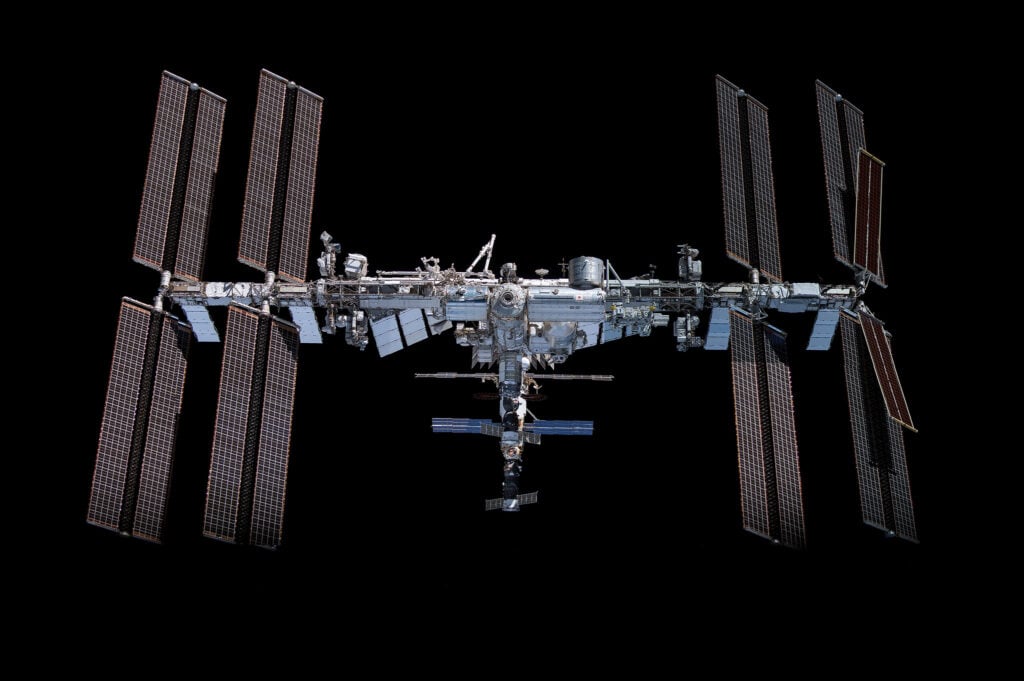
As of September 2026, humanity has two continuously crewed space stations: China’s Tiangong, occupied without interruption since 2022, and the International Space Station. If the ISS retires around 2030 before replacement stations are ready, Tiangong could become the only permanently inhabited outpost in Earth orbit.

2026-09-07 — spacedaily.com


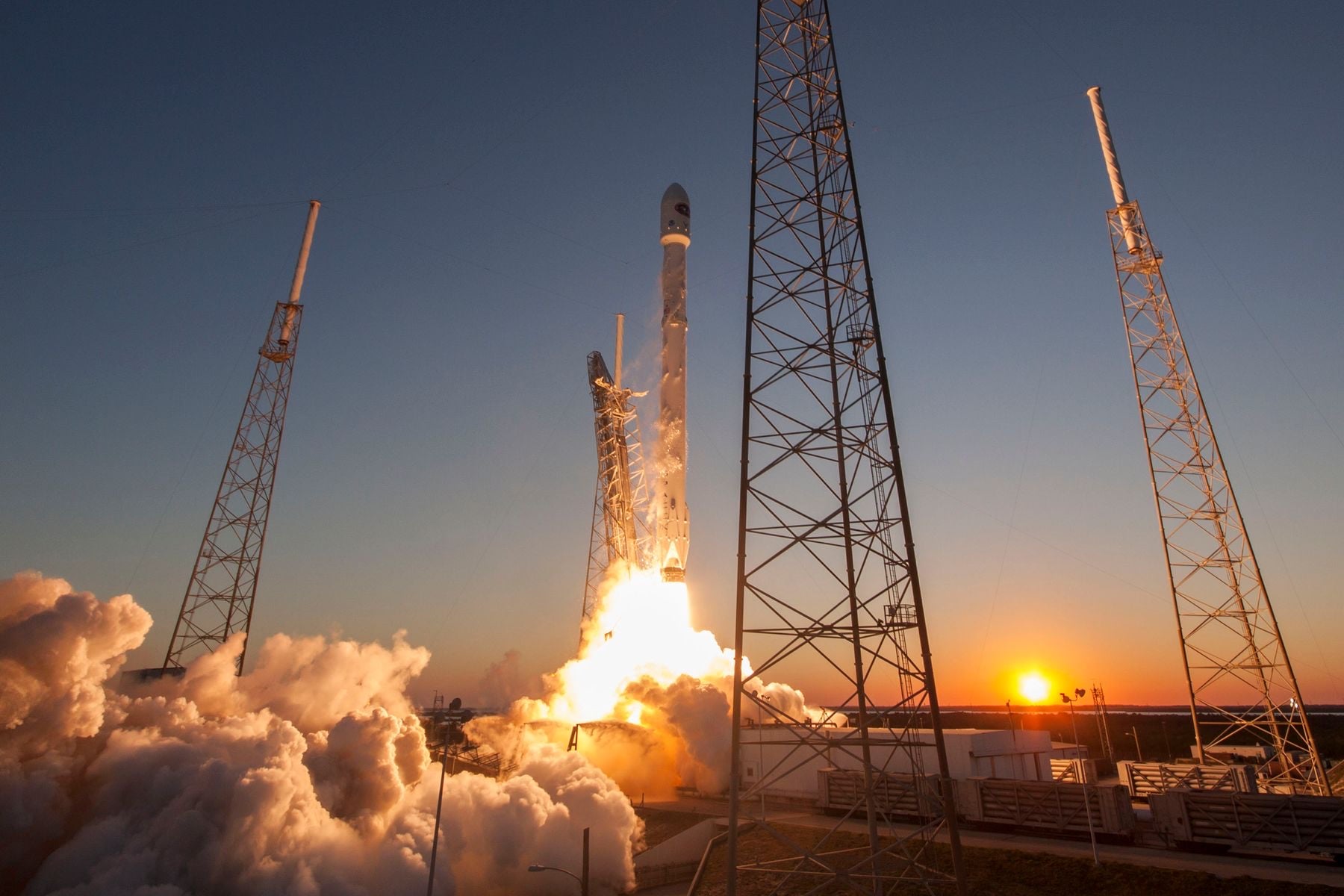
Europe has launched satellites aboard its own rockets for decades, but never from Western European soil; on 5 September 2026, German startup Isar Aerospace’s 28-metre Spectrum became the first rocket to reach orbit from the region, deploying five satellites from Arctic Norway on only its second flight—17 months after its debut lost control and crashed back to Earth less than a minute after liftoff.

2026-09-05 — spacedaily.com


Suni Williams and Butch Wilmore launched aboard Boeing’s Starliner in June 2024 for an eight-day test flight and came home on a SpaceX capsule 286 days later—not because they were chasing a record, but because NASA judged the propulsion problems on the spacecraft that carried them there too uncertain to risk bringing them back.

2026-09-05 — spacedaily.com


By the age of eight, a girl in northeastern Brazil was working through sky-survey images on two computer screens and had logged 18 preliminary asteroid detections; if confirmed, they would make her younger than Luigi Sannino, who was 18 when he set the record for youngest person to discover an asteroid in 1999.

2026-09-05 — spacedaily.com


An 18-year-old high school senior from Pasadena wrote machine-learning code to comb 200 billion entries of raw infrared sky data, sorted what came back, and in 2025 found 1.5 million new potential objects

2026-09-03 — spacedaily.com


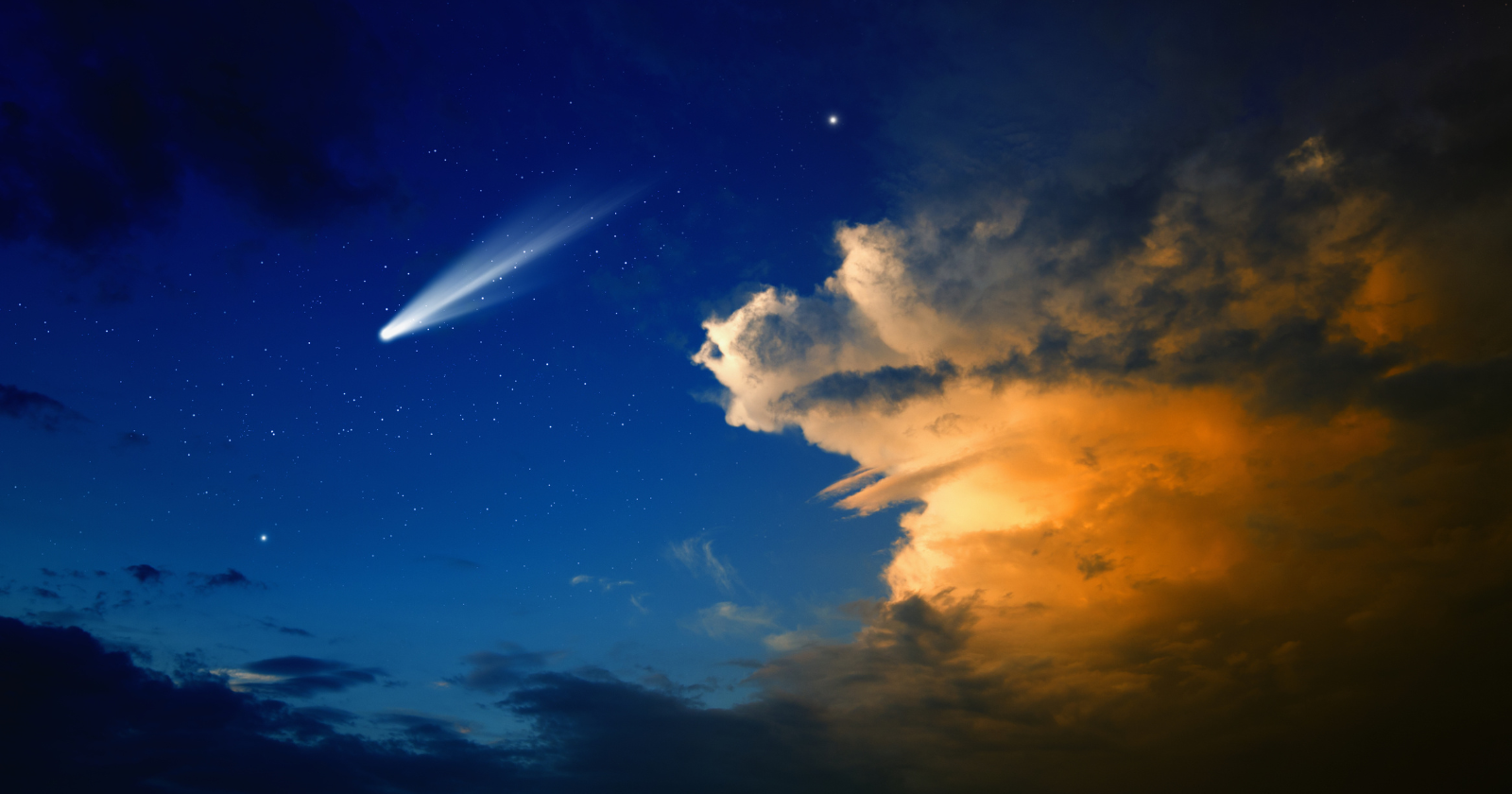
A satellite sent up in 1995 to watch the sun has found more comets than anything else in history, and most of the 5,000 in its tally were spotted by volunteer citizen scientists, many with no formal scientific training, clicking through the free pictures it puts online frame by frame

2026-09-01 — spacedaily.com


Nancy Grace Roman (1925–2018) was NASA’s first chief astronomer, its first female executive, the “Mother of Hubble,” and the woman who built its space-astronomy programme from scratch — yet she remained far less famous than the telescope she made possible.

2026-08-30 — spacedaily.com

Execution: 0.15 Seconds. 52.11 mb used.