Konsume
Interval Day Week Month
Newswire Search Past 90 Days 28 stories 6 Publishers
Trending Today
Sort By: Snapshot
Buzz
Media Coverage
World View

Related Topics
Topic # Mentions Topic Reach
the48-
ice10-
titan9-
rings5-
earth5-
data4-
frozen4-
dinosaurs3-
Prominent Journalists
Byline Articles Written Avg Reach
Space Daily Editorial Team 7 -
The Long View 4 -
Deep Field 3 -
Lachlan Brown 3 -
Harry J. Kazianis 2 -
Mission Notes 1 -
Space War Editorial Team 1 -
Life Signs 1 -
Ainura Kalau 1 -
Brendan Brown 1 -
Chris Jeremia 1 -
Michelle Starr 1 -
Vicky Jarrett 1 -
Mal James 1 -


Enceladus is just 504 kilometres across — roughly half the length of Great Britain — yet a 2026 study traced its electromagnetic Alfvén-wave wake at least 504,000 kilometres downstream through Saturn’s magnetosphere, farther than the Moon ever travels from Earth.

Deep Fieldspacedaily.com


Cassini logged 67 crossings of the funnel where the solar wind reaches Saturn, and after the count was divided by how long the spacecraft spent looking, the peak sat in the afternoon instead of at noon where Earth's cusp sits — three crossings turned up past dusk

Chris Jeremiaspacedaily.com


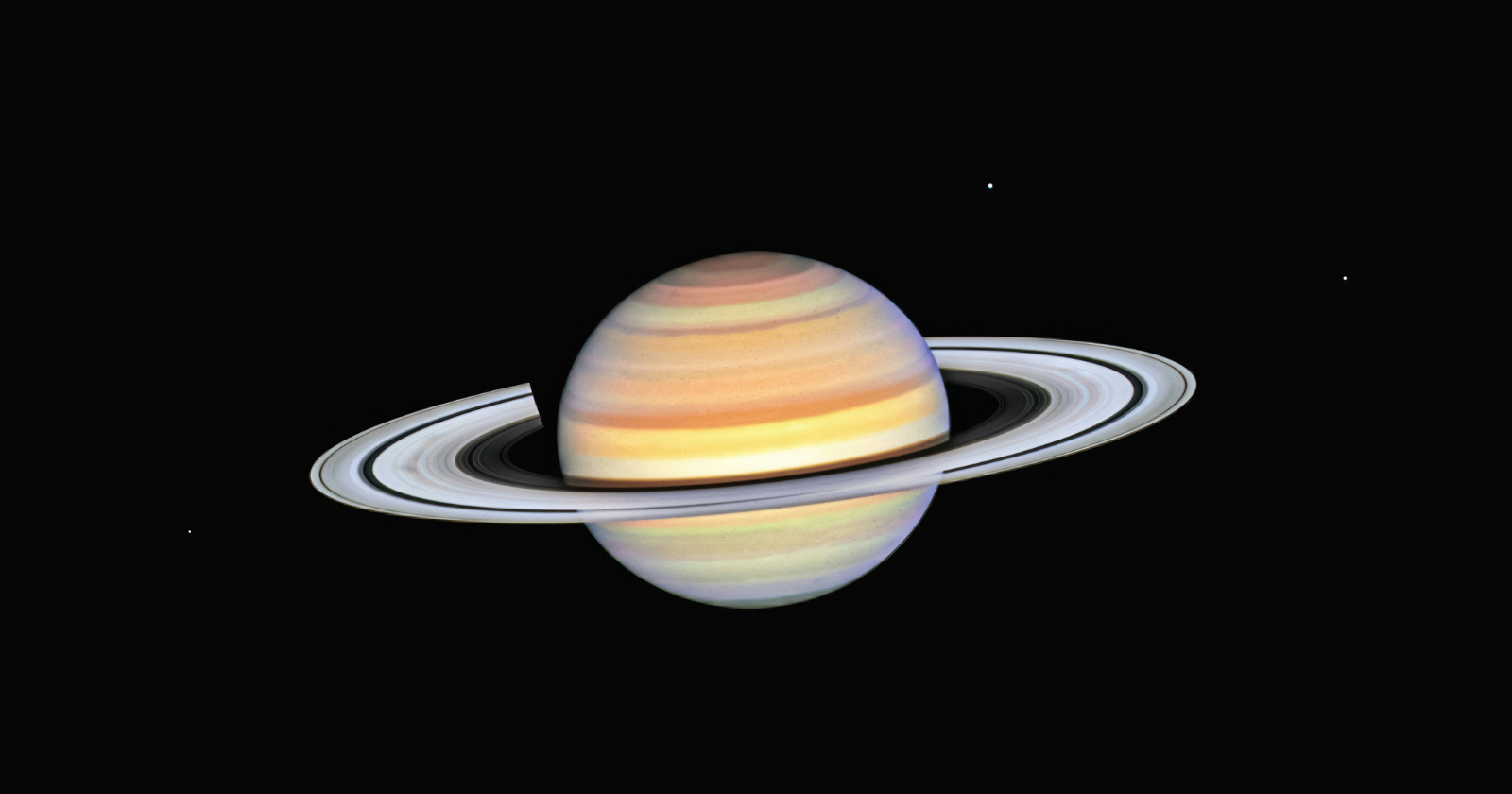
NASA's Cassini spacecraft circled Saturn for 13 years and never saw a shape at the south pole, but when the planet's slow seasons tilted that pole back toward Earth, a giant ten-sided figure was waiting there — and it had not existed while the probe was watching

Brendan Brownspacedaily.com


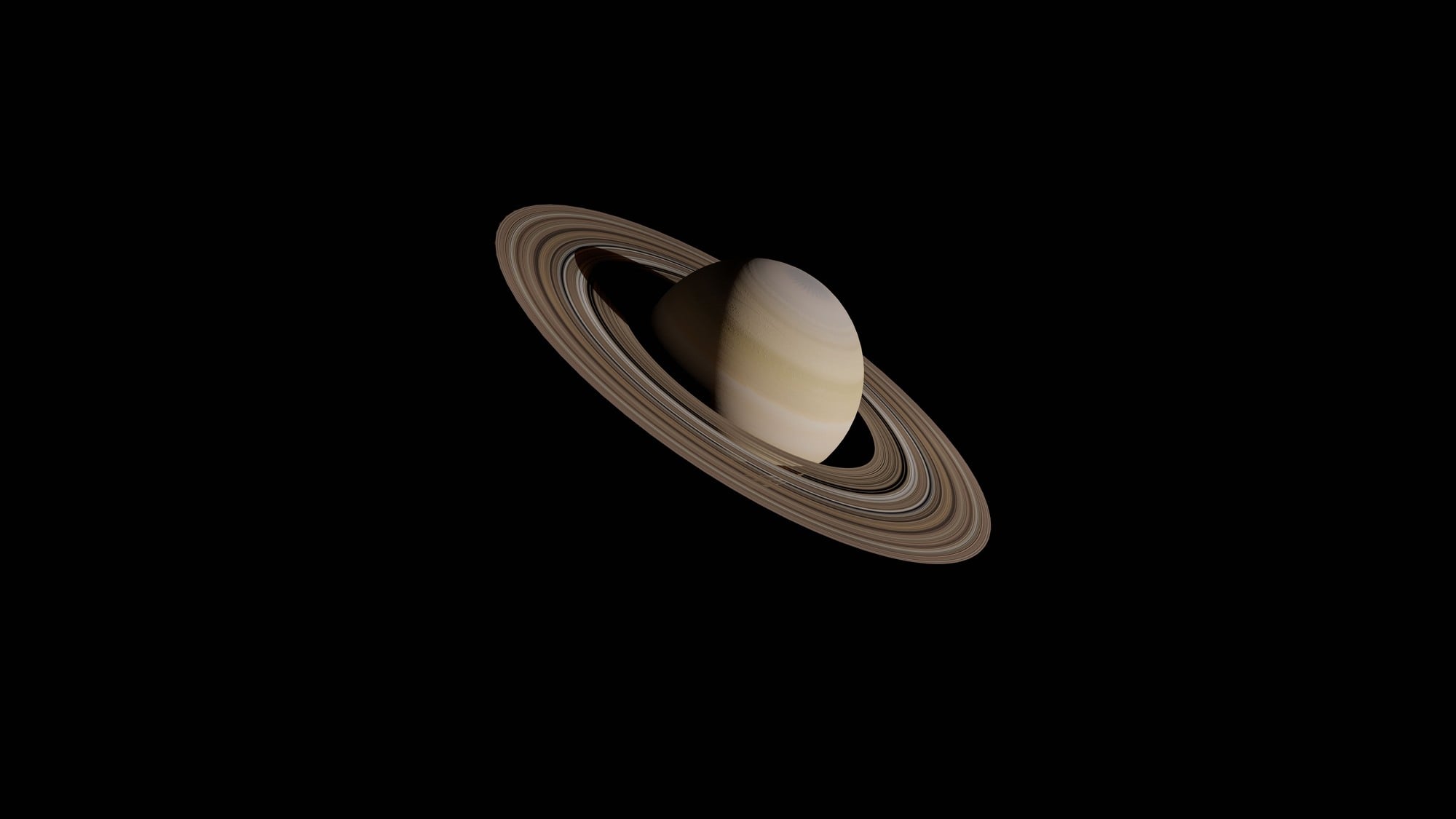
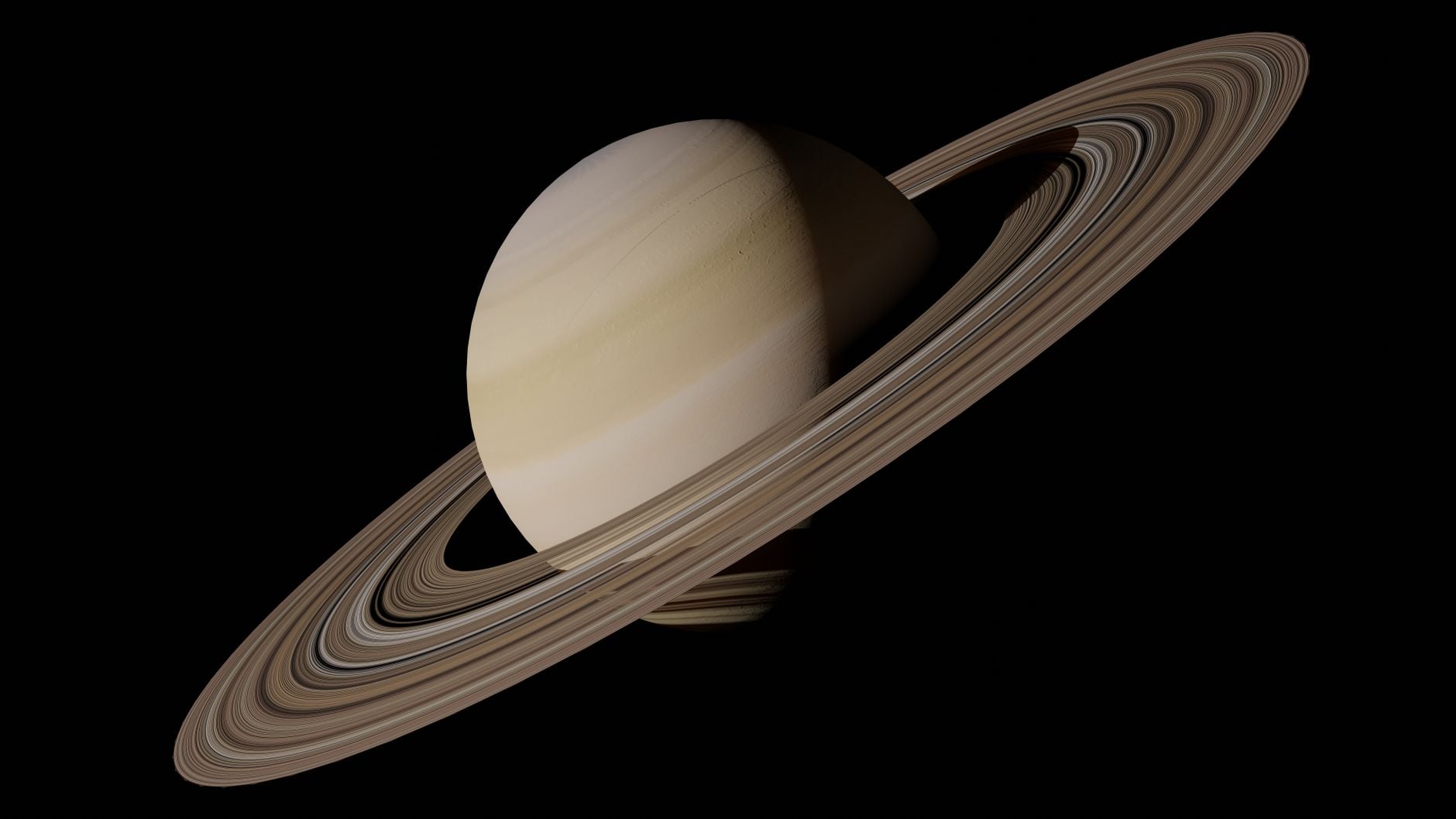
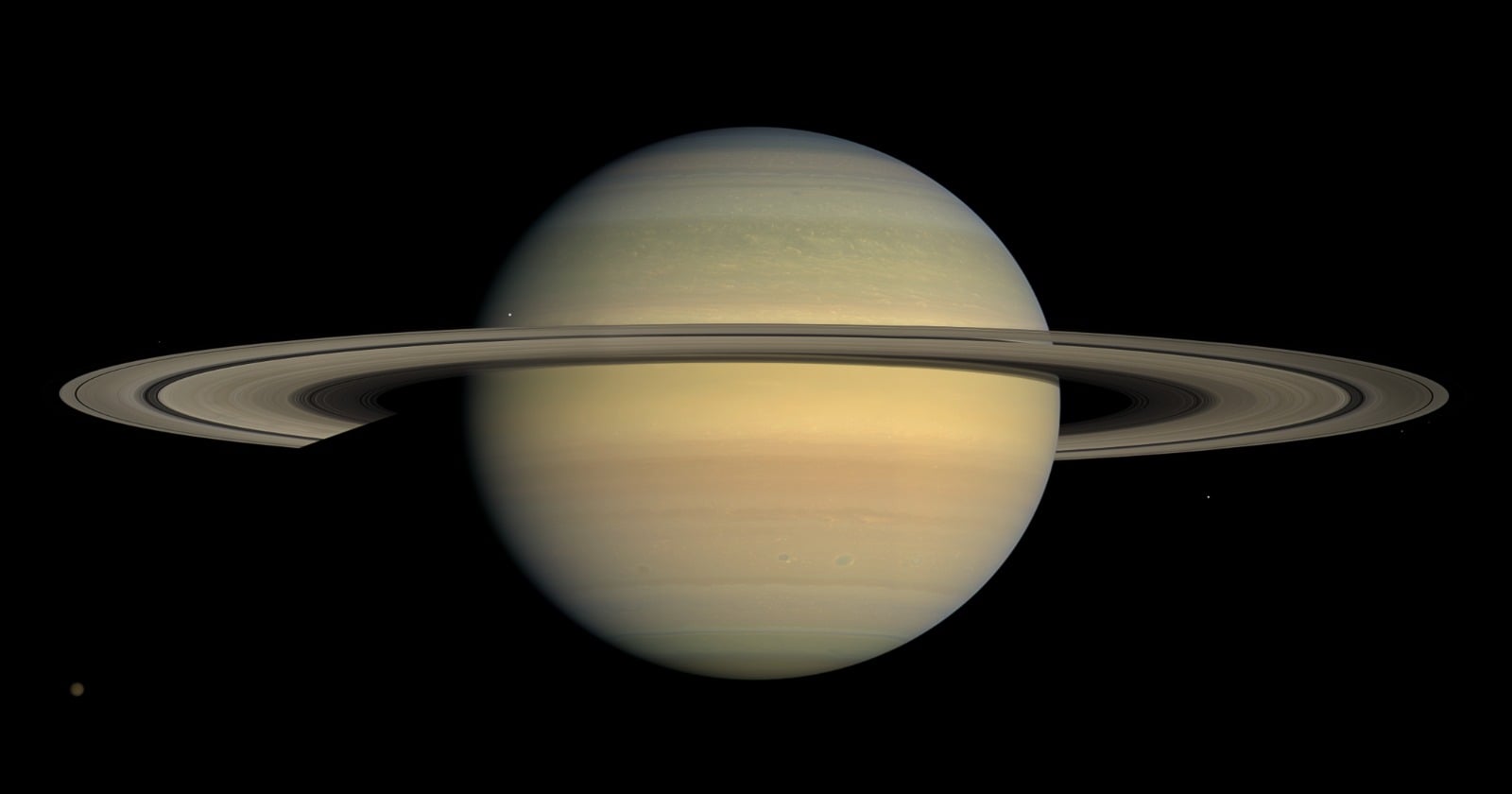
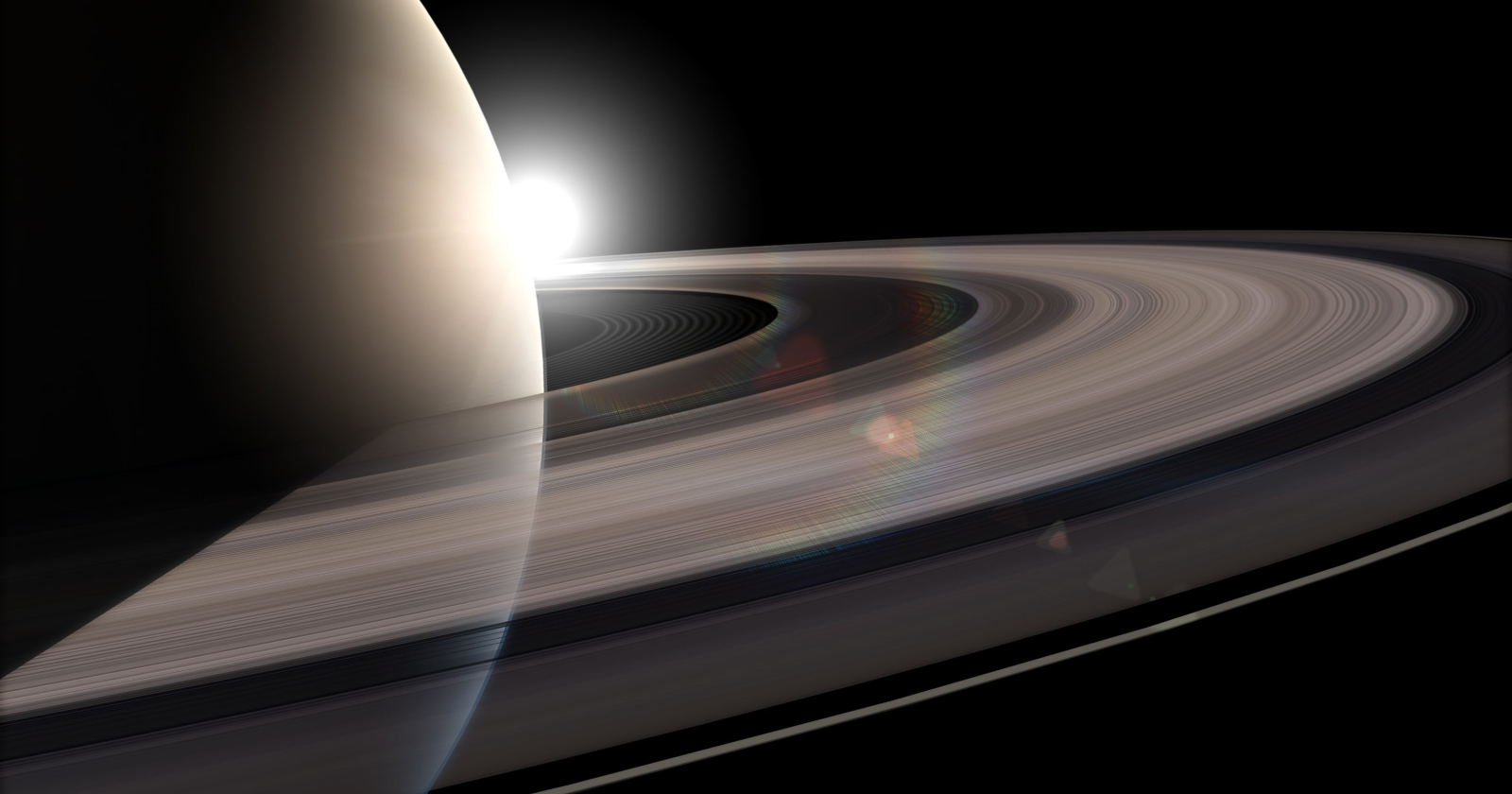
Saturn's rings look ancient, but data from the Cassini spacecraft suggests they are surprisingly young, likely no more than a few hundred million years old, meaning dinosaurs walked the Earth in a solar system where Saturn had no rings at all

Ainura Kalauspacedaily.com


Enceladus looks nothing like a habitable world: it is a 310-mile-wide ice moon with a surface near −200°C. Yet an ocean hidden beneath that ice is spraying water, salts, phosphorus and organic chemistry directly into space—allowing a passing spacecraft to sample a potentially habitable sea without ever landing.

The Long Viewscienceblog.com


Enceladus sprays water, phosphates, molecular hydrogen and complex organics straight out of its buried ocean — and a 2025 analysis found previously unseen organic compounds in freshly ejected ice, adding still more steps to the chemical pathways that can lead toward the molecules life uses.

The Long Viewscienceblog.com


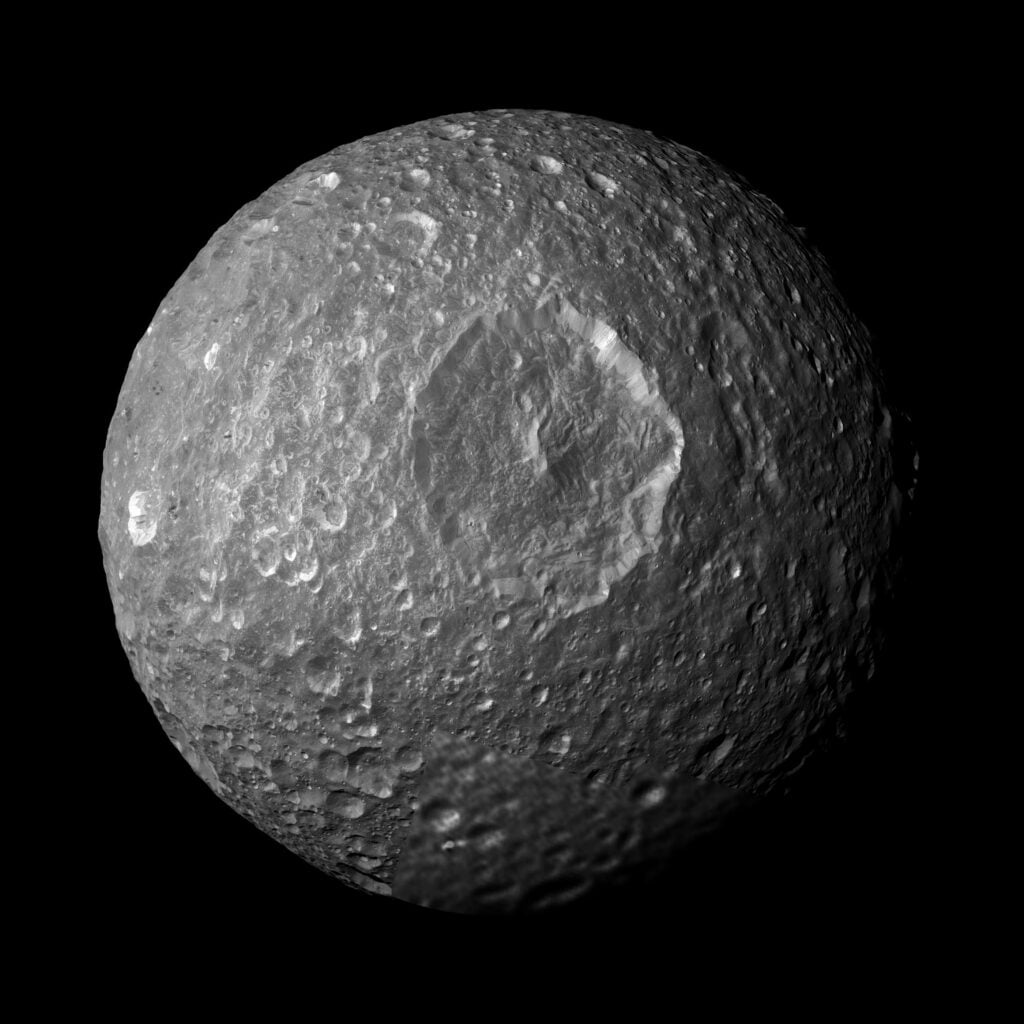
Mimas looks like one of Saturn's deadest moons: a frozen, heavily cratered ball with no obvious activity. Then scientists discovered a global ocean beneath it in 2024 — an ocean less than 25 million years old, younger than the Himalayas, hiding beneath a surface that gives almost nothing away.

Deep Fieldspacedaily.com


For decades, scientists believed Titan hid a vast global ocean beneath its frozen crust; a December 2025 reanalysis of Cassini data now suggests something stranger — layers of slush and isolated pockets of warm water near a rocky core

The Long Viewscienceblog.com


Enceladus appears to have almost everything life should need — water, chemistry, hydrothermal energy and an ocean capable of lasting geological ages. If we search it thoroughly and find nothing alive, that failure may become one of astrobiology’s most important discoveries: evidence that habitability alone is not enough to make life happen.

Life Signsspacedaily.com


Scientists thought Titan was hiding a global ocean beneath its frozen crust. But a 2025 reanalysis of Cassini data points to something stranger instead — a roughly 380-kilometre-thick layer of slushy ice, close to melting and likely threaded with pockets of liquid water that could reach 20°C near the rocky interior.

The Long Viewscienceblog.com

Execution: 1.42 Seconds. 61.1 mb used.